
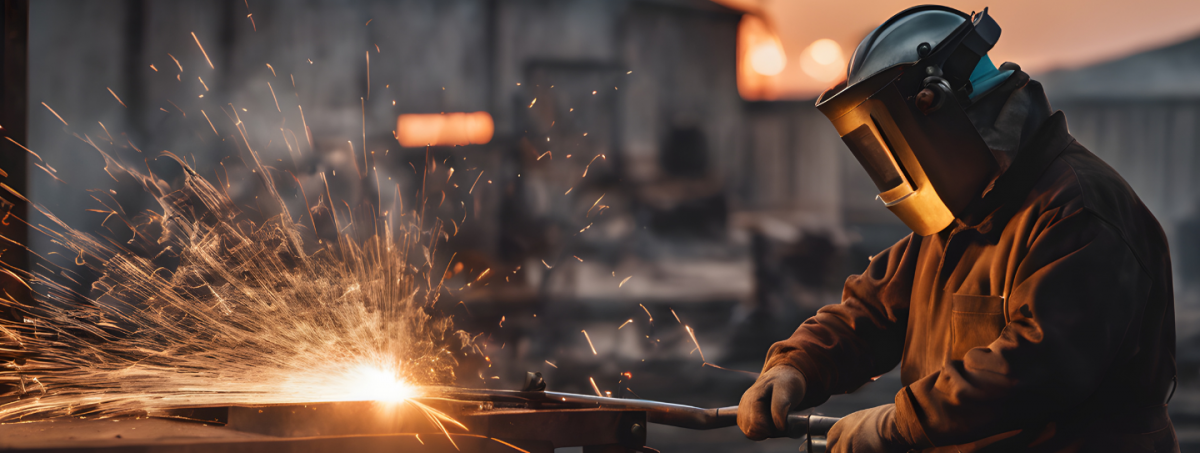
Irish manufacturing enters its AI phase from a position of strength. Bank of Ireland’s Manufacturing Sector H1 2026 Insights and H2 2026 Outlook records 18 consecutive months of expansion, with an average PMI of 54.1 against 51.2 across the EU. About 323,000 people work in the sector, a deep base of experience. The report describes Ireland as transitioning from Industry 4.0 digitalisation to AI-enabled manufacturing, a natural next step for digital transformation.
The opportunity is to apply enterprise AI where it delivers value fastest. The report finds AI is now a priority for 52% of businesses, with investment focused on computer vision, predictive maintenance, digital twins, autonomous robotics, and production scheduling. Manufacturers that pair these tools with strong data analytics can lift productivity, quality, and resilience through digital operational excellence. The most advanced deployments in MedTech, pharmaceuticals, semiconductors, and food show what is achievable.
Industry research is highly encouraging. Irish Manufacturing Research’s 2025 End of Year Report shows manufacturers moving from testing advanced technologies to implementing them, with around €18 million in commercial value reported across 679 industry organisations engaged. IMR highlights digital foundations as the key to unlocking AI and automation value. Manufacturers that invest in connected data and skills now will see returns sooner. The path from pilot to production is increasingly well mapped.
Practical support is expanding nationally. FactoryXChange 2.0, the €23 million European Digital Innovation Hub programme for 2026 to 2029, helps Irish manufacturers adopt AI, automation, and advanced analytics to improve productivity, efficiency, and resilience. IDA Ireland points to Digital Manufacturing Ireland in Limerick, where manufacturers can test automation, digital twins, and smart manufacturing systems in a realistic environment before committing significant capital. Together, these resources lower the cost and risk of starting.
Strategic conditions are favourable. The report notes Ireland’s average effective US tariff rate is just 2.7%, among the lowest recorded globally, and that 42% of manufacturers expect activity to rise in 2026. It also names sustainability, automation, and AI as the strategically best options for investment, a clear signal for planning. Ibec’s manufacturing outlook shows industry leaders treating advanced manufacturing and digital technologies as the foundation of Ireland’s long-term industrial future.
Three actions should guide enterprise AI strategy in manufacturing. First, select one high-value, well-defined use case, such as predictive maintenance or computer vision quality checks, and set clear, measurable targets. Second, strengthen the data foundations behind it, including sensor data, system integration, and governance. Third, build skills and partnerships through FactoryXChange, Digital Manufacturing Ireland, and Skillnet, aligned with the National Digital & AI Strategy 2030. Review progress quarterly and scale what works.
Bank of Ireland’s report shows a sector with momentum, low tariff exposure, and a clear route from Industry 4.0 to AI. Manufacturers that act now will turn digital transformation and innovation into higher productivity, stronger quality, and lasting business transformation. Ireland has the foundations, the supports, and the skills base to build a leading position in AI-enabled manufacturing. The next step is practical: choose a use case and begin.



.png)