

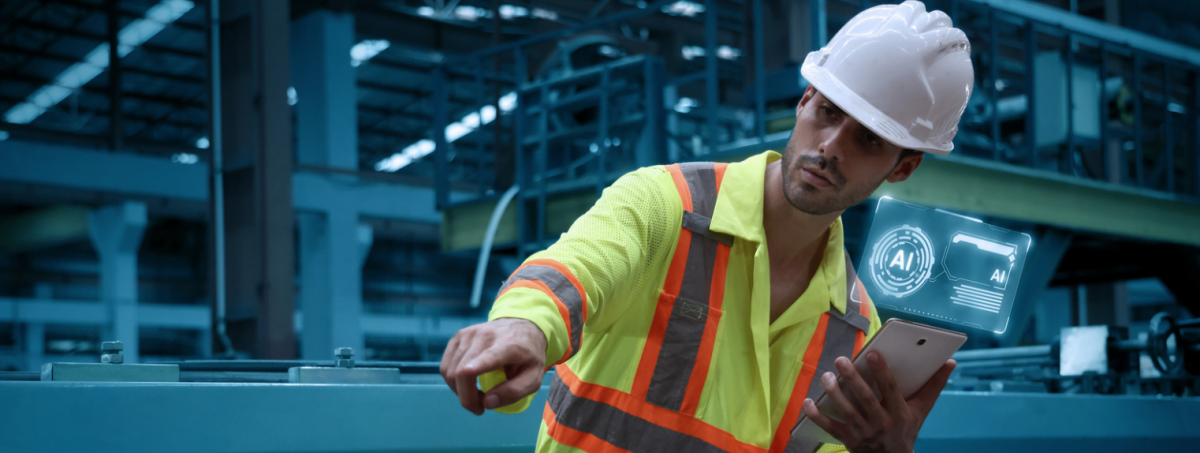
Irish employees are moving ahead of their organisations on AI. Accenture Ireland's Generating Impact report, published in May 2026, finds daily generative AI use at 22%, nearly three times the 8% in 2024. Some 64% of employees expect to reskill, and seven in ten say new technologies make their jobs better. Yet more than half of executives say their organisation is not ready to integrate AI agents with core systems.
The strategic opportunity is to close this gap deliberately. Organisations generating durable competitive advantage from AI will be those that convert individual productivity gains into organisation-wide performance. This requires a shift from experimentation to integration: building the digital strategy, governance frameworks, and workflow redesign that transform daily AI use into a structured enterprise AI capability. The gap between employee adoption and organisational readiness is where digital leadership makes the difference.
Accenture identifies three barriers: data security, regulatory concerns, and talent shortages, precisely the investments that digital transformation programmes exist to resolve. The TCD and Microsoft Ireland AI Economy 2026 report finds 92% of Irish organisations using or planning to use AI, yet many remain in early stages of translating adoption into sustained operational performance. The next phase of AI value creation depends on maturing governance and integrating AI into how work gets done.
The large-to-small enterprise adoption gap is a challenge that digital transformation can address. CSO data on enterprise AI adoption confirms 57.7% of large Irish enterprises used AI in 2025 against just 17.2% of small enterprises. For SMEs, the priority is investing in digital workplace infrastructure, data analytics capability, and talent development that allow AI tools to generate measurable business outcomes rather than isolated individual gains.
The reskilling signal carries direct commercial significance. With 64% expecting to reskill as AI reshapes their work, the workforce is signalling readiness for human-AI collaboration at scale. Deloitte Ireland's State of AI in the Enterprise 2026 confirms that organisations investing in reskilling and human-AI collaboration convert enterprise AI and digital innovation gains into lasting competitive advantage. Skillnet Ireland's Empowering Enterprise 2026–2028 strategy provides co-designed, sector-relevant programmes through which Irish enterprises can build the AI readiness and digital excellence that competitive advantage requires.
Three actions should define enterprise AI strategy. First, audit the gap between employee AI use and organisational governance, identifying where informal adoption generates value that formal processes are not capturing. Second, build an AI integration roadmap aligned with the National Digital & AI Strategy 2030 AI Office and Observatory for Business AI Readiness benchmarks. Third, treat the 64% reskilling expectation as a mandate for a structured digital skills investment programme.
Accenture's Generating Impact report confirms that Ireland's AI transition has moved decisively from experimentation to integration. The productive question for Irish enterprise leaders is no longer whether to invest in enterprise AI but how to build the digital transformation and innovation infrastructure that converts employee-level adoption into organisation-level competitive advantage. The gap between where Irish employees are and where their organisations need to be is the defining opportunity of 2026.





.png)